How to Know If DTF Prints Are Comfortable to Wear

Last Updated: November 10, 2026
Quick Summary
DTF prints are comfortable to wear when the design has open space and the transfer is pressed cleanly. A well-made DTF print feels soft, flexible, and barely noticeable, sitting as a thin, smooth layer on the fabric surface. Large solid blocks of ink are where breathability and comfort drop.
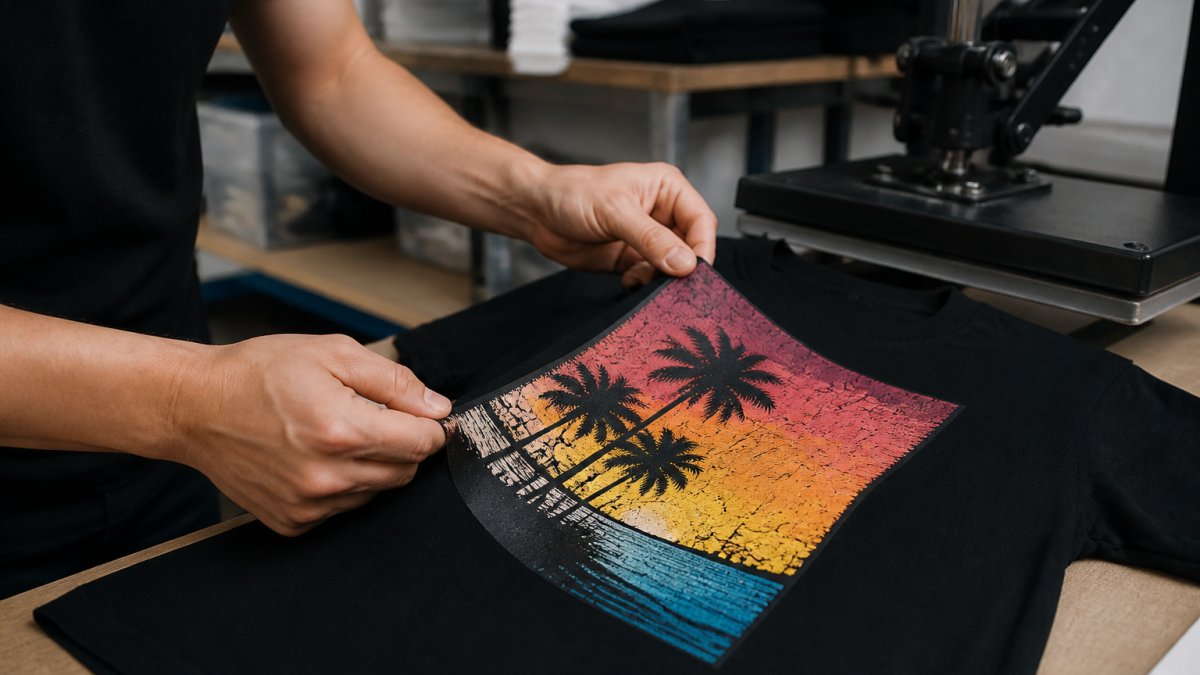
A DTF transfer bonds to the outside of the fabric as a thin ink and adhesive film.
Small and medium graphics leave plenty of open fabric for airflow.
DTG generally feels softer against bare skin because ink soaks into cotton fibers.
Choose blanks with a high-cotton face and a smooth, tight knit for cleaner bonding.
Wash inside out in cold water and skip the high-heat dryer to prevent cracking.
Will a DTF print feel stiff on your skin?
AfterLife Print Co. prints soft, flexible DTF graphics on tees, hoodies, and totes built to wear all day.
Table of Contents
What Does a DTF Print Feel Like on Skin and Fabric
A well-made DTF print feels soft, flexible, and barely noticeable in most spots. The print sits on the surface of the fabric rather than soaking into the fibers, so you feel a thin, smooth layer instead of a stiff patch. At AfterLife Print Co., we hear the same question from first-time buyers: will this feel like plastic against my skin? The honest answer depends on the print, the fabric, and how the transfer was pressed.
A DTF print is a direct-to-film transfer in which a printed design is heat-pressed onto a garment, leaving a thin ink and adhesive layer bonded to the fabric surface.
That surface layer is the key detail. Because the ink and adhesive sit on top, texture matters more than it does with a print that dyes the fibers themselves.
Why DTF Sits on Top of the Fabric Instead of Soaking In
DTF transfers bond to the outside of the fabric. The ink film and adhesive layer cure into a flexible skin that clings to the weave. French Press Custom's DTF printing guide describes the resulting feel as slightly rubbery compared with ink that absorbs into the cloth.
In practice, this means a DTF print on a smooth cotton tee reads as a light, even coating. On a loose-knit or textured fabric, you may notice the print bridging the small gaps in the weave. That is normal, and it is why fabric choice matters so much.

Are DTF Prints Breathable Enough for Everyday Wear
Yes, DTF prints are breathable enough for everyday wear when the design does not cover a large, solid area. Small and medium graphics leave plenty of open fabric for airflow. Large, dense blocks of ink are where breathability drops.
Think of it like a light rain jacket patch versus a mesh panel. The unprinted cotton still breathes normally. The printed zone blocks some airflow because the ink layer sits between your skin and the air. Printful's comparison of DTG and DTF printing notes that oversized solid print areas can feel heavier and less breathable.
The mechanism is straightforward: a DTF transfer is a continuous film of ink and adhesive. Air and moisture vapor pass through the open weave of the garment, not through the film. So breathability is really a measure of how much unprinted fabric remains over the areas that generate heat, and how much of the printed area is solid versus open.
How Print Size and Coverage Change Airflow
Coverage is the single biggest comfort variable with DTF. A chest logo the size of your palm barely registers. A full-back panel of solid black ink changes how the shirt moves heat and moisture. The difference is not just size but density: a fine-line design with open space between elements lets far more air through than a solid block of the same footprint.
Small front or back graphics: minimal effect on airflow
Medium designs with open space between elements: comfortable for daily wear
Large solid blocks across the chest or back: warmer, especially in heat
Full-coverage allover prints: the least breathable option
A practical way to judge a design before you buy is to look at the ratio of printed to open area. A palm-sized logo on the chest leaves most of the torso open. A dense back panel covers the largest sweat-producing zone on the shirt, so it traps more heat and moisture there. Fine-line and halftone designs sit between those extremes because the gaps in the pattern act as small vents.
For activewear and workwear, a design with breathing room between elements stays cooler than a dense, wall-to-wall print. If you run hot or wear the shirt for physical work, keep solid coverage off the center back and underarms, where airflow matters most.
Watch out: a print that feels breathable when you try it on in a cool room can feel much warmer once you sweat. Test a large-coverage design during real activity before committing to it for activewear.
DTF vs DTG: Which Print Feels Softer Against the Skin
DTG generally feels softer against bare skin because the ink soaks into the cotton fibers. DTF feels smoother and slightly more raised. Which one wins depends on what you value more: a nearly invisible print or a sharper, more durable graphic.
Most comparisons stop there. A more useful answer comes from holding the design, garment, and coverage constant and comparing four common methods side by side: DTF, DTG, screen printing, and sublimation. That controlled view is what actually tells you how a print will feel on the shirt you plan to wear.
DTF printing lays down a transfer that holds fine detail and bright color on many fabric types, including polyester blends. The print reads as a thin film rather than part of the weave.
Here is the direct comparison across all four methods:
Factor | DTF | DTG | Screen printing | Sublimation |
Hand feel | Smooth, slightly raised film | Soft, absorbed into fibers | Raised, thicker ink layer | No surface layer on poly |
Best fabric | Cotton and poly blends | Mostly 100% cotton | Cotton and blends | High-polyester only |
Detail and color | Sharp, saturated | Softer, cotton-dependent | Bold, limited colors per run | Sharp on light poly |
Breathability | Lower on solid coverage | Higher overall | Lowest on solid coverage | Highest on poly |
Durability on blends | Strong | Weaker on synthetics | Strong on cotton | Strong on poly |
Stretch recovery | Flexes with knit | Good on cotton knits | Can resist stretch | Moves with poly knit |
For a print that disappears against the skin, DTG on cotton and sublimation on polyester have the edge. For versatility across fabrics and crisp graphics, DTF holds up. Screen printing wins on heavy, non-stretch fabric where a bold, thick graphic is the point.
DTF vs Screen Printing: Comfort, Thickness, and Stretch
That stretch matters on hoodies and stretchy knits. DTF Virginia's guide to high-quality DTF prints describes good DTF prints as soft and flexible, adding minimal thickness while keeping the fabric's natural feel. A screen-printed block on a stretchy garment can feel rigid and pull at the seams; a DTF transfer bends with the cloth.
Fabric Choice, Garment Weight, and How They Affect Comfort
Fabric and garment weight shape comfort as much as the print does. A high-cotton face with a smooth, tight knit gives DTF a clean surface to bond to and feels better against skin. Heavier garments spread the print's weight and feel more substantial.
Iris DTF's guide to comfortable sweatshirts for DTF printing recommends blanks with a high-cotton face and a smooth, tight knit, since the transfer bonds more cleanly and the print stays comfortable.
Weight is the other lever. A lightweight tee carries a print with almost no added heft. A midweight or heavyweight fleece hoodie feels more substantial, and the print's thin layer barely changes that. Our 9 oz fleece hoodie shows how a heavier garment handles a DTF graphic while keeping its structure.
Ring-spun cotton feels smoother than standard cotton, and polyester blends wick moisture better. Match the fabric to the job: cotton for softness, blends for activewear and workwear.
Comfort for Sensitive Skin and Everyday Movement
Sensitive skin tends to react to edges, seams, and stiff layers, not to the print itself. A DTF print with a clean, well-pressed edge sits flat and moves with the fabric. A poorly pressed transfer with a raised border is the usual culprit behind irritation.
A few practical points for sensitive skin:
Choose prints with clean edges and no thick outline
Keep large solid prints off areas that rub, like the inner arm or waistband
Wash new garments before the first wear to soften the fabric
Check that the print does not cross a seam, where edges lift
For everyday movement, a flexible DTF transfer bends with the shirt instead of resisting it. If skin contact is a concern, a printed canvas tote keeps the design off your body entirely; our canvas tote is a low-contact option for daily carry.
How to Pick a DTF Graphic That Stays Comfortable Over Time
Choose a DTF graphic with open space, moderate coverage, and a clean press, and it will stay comfortable through repeated wear. The design decisions you make at purchase determine how the print feels months later.
A common mistake is choosing the biggest, boldest print without thinking about where it sits. The second is ignoring care. Heat and harsh washing break down the adhesive layer, and that is when prints start to crack, peel, and feel rough.
Use this checklist before you buy:
Pick a design with open space between elements rather than solid blocks
Keep dense prints off high-friction zones like underarms and waistbands
Confirm the garment fabric suits the print: cotton or a smooth blend
Wash inside out in cold water and skip the high-heat dryer
Check that the print edge is clean and flat, not raised or bubbly
Follow those and a DTF print stays soft and flexible for the life of the shirt. If you want to see how a finished print flexes on a real garment, our DTF-printed tee shows the fabric weight and construction up close. Ready to choose a design built for comfort? Browse our DTF-printed graphic tees and pick one that wears as good as it looks.
Comfort comes down to three things: coverage, fabric, and a clean press. AfterLife Print Co. builds DTF graphic apparel around all three, with soft ring-spun tees, midweight fleece hoodies, and designs that flex with the fabric instead of fighting it. Every piece is printed and pressed for a smooth, thin hand feel you can wear all day. Get started with AfterLife Print Co. and find a graphic that stays comfortable wear after wear.
Frequently Asked Questions
Are DTF prints comfortable for everyday wear?
Well-made DTF prints are comfortable for everyday wear. A quality DTF transfer adds only a thin ink and adhesive layer, so the print stays soft and flexible and moves with the shirt rather than sitting stiff against your body. Comfort drops when prints are large, solid, and thick, or when a low-quality transfer is pressed onto a heavy blank. Choosing designs with reasonable coverage and garments with a smooth, tight knit keeps the print barely noticeable during normal daily activity.
Are DTF prints breathable compared to other methods?
DTF prints are less breathable than DTG or sublimation on large solid areas because the transfer sits on top of the fabric as a layer. Small and medium prints leave most of the garment open to airflow, so breathability is rarely an issue. If you run hot or wear the shirt for activewear, pick designs with open space, avoid full-front solid blocks, and choose a lightweight, high-cotton or moisture-wicking blank so heat and sweat can escape around the print.
Do DTF transfers feel heavy on fabric?
A DTF transfer adds minimal weight when it is applied correctly. The ink and adhesive layers are thin, so a standard chest print will not feel heavy. Weight becomes noticeable with dense, full-coverage designs or thick transfers pressed at the wrong temperature and pressure. Garment weight matters more than the print itself: a midweight cotton tee feels heavier than a lightweight ring-spun cotton shirt regardless of the design, so match the blank to how you plan to wear it.
Are DTF prints softer than screen prints?
It depends on the design. A single-color screen print with a thin ink deposit can feel softer than DTF, while a multi-color screen print with stacked ink layers often feels thicker and stiffer than a DTF transfer. DTF holds fine detail and gradients well without building up heavy ink, which keeps the print flexible on stretchy fabrics.
Comments