How to Prevent DTF Prints From Cracking: 7 Fixes

Table of Contents
Last Updated: October 21, 2026
Why DTF Prints Crack: The Causes That Actually Matter
A DTF print cracks when the ink film can't flex with the fabric beneath it. Direct-to-film transfers fail for a short list of reasons: under-curing, wrong temperature, wrong pressure, bad film or powder, and fabric that stretches more than the cured ink can handle. Fix the cause, not the symptom.
At AfterLife Print Co., we specialize in DTF graphic apparel, so we know how a transfer behaves after twenty washes. The good news: knowing how to prevent DTF prints from cracking makes most of it preventable.
Here's what matters most. Cracking almost always starts in one of four places:
Curing: the adhesive powder never fully melted
Heat and time: the press was too cool, too hot, or too fast
Pressure: uneven or too light to bond the film
Fabric: the garment stretches more than the cured ink can follow
Everything else is a footnote.
Under-Curing vs. Over-Curing: How to Tell the Difference
Under-curing looks like a print that peels at the edges and cracks in a fine, web-like pattern after a few washes. Over-curing looks like a stiff, glossy patch that cracks in sharp, brittle lines and feels hard to the touch.
The test is simple. Stretch the cured print gently across the grain. A properly cured DTF transfer flexes and springs back. If it cracks right there, the powder didn't melt.
Most guides get this wrong by treating all cracking the same. They aren't the same failure, and they don't have the same fix.
DTF Transfer Temperature and Pressing Time: Getting the Numbers Right
The right DTF transfer temperature and pressing time depends on your film, powder, and press, so always follow the film maker's spec sheet.

Two presses, not one. That's the part people skip.
Press one (adhesive): melts the powder into the ink
Press two (transfer): bonds the film to the fabric
Peel: warm peel for most films, cold peel for some
If your press runs cool, the powder stays grainy and the bond is weak. If it runs hot, the film curls and the ink gets brittle.
What Each Variable Actually Does
Temperature drives the powder melt. Below the film maker's minimum, the adhesive stays particulate and never forms a continuous film, so the ink sits on the fabric instead of bonding to it.
Dwell time is the seconds the press stays closed. Shorten it and the powder under-melts even at the right temperature. Stretch it and you risk scorching the fabric or over-curing the ink.
Pressure decides whether the film contacts the fabric evenly. Too little pressure and the edges lift and crack first.
Pressure, Dwell Time, and Peel Timing
Peel timing matters too. Peel too early and the design smears. Peel too late and the film locks to the carrier sheet. Check your film's instructions, then test on a scrap shirt before you commit a full run.
A practical way to isolate which variable is off: press three scrap shirts at the same temperature and time but at light, medium, and firm pressure. Stretch-test each after cooling. If all three crack, temperature or time is the problem. If only the light-pressure shirt cracks, pressure is the culprit. If only the firm-pressure shirt cracks, you're squeezing the ink out.
Pro Tip Keep a log of every press setting next to the machine. When a batch cracks, you'll know exactly which number to change instead of guessing.
Under-Curing vs. Over-Curing: Reading the Failure
These two conditions look different and need opposite corrections, yet most guides treat all cracking the same.
Under-curing shows as a fine, web-like crack pattern, edges that peel, and a print that cracks when you stretch it gently across the grain.
Over-curing shows as a stiff, glossy patch that cracks in sharp, brittle lines and feels hard to the touch.
The stretch test is the fastest way to tell them apart. Stretch the cured print gently across the grain. A properly cured DTF transfer flexes and springs back.
A Step-by-Step Diagnostic Flowchart for Cracking Transfers
Use this diagnostic flow to find the cause of a cracking DTF transfer before you change anything. Work top to bottom and stop at the first problem you find.
Did the print crack before washing? If yes, suspect pressure or peel timing. If no, move on.
Does it crack when stretched? If yes, it's under-cured. Raise temperature or time slightly.
Does it feel stiff and glossy? If yes, it's over-cured. Lower temperature or shorten dwell.
Does it crack only at the edges? If yes, pressure is uneven or too light.
Does it crack only on stretchy fabric? If yes, it's a fabric compatibility issue.
Does it crack after washing? If yes, check wash care and powder quality.
Most people jump straight to buying new film. Run the flow first. Half the time the fix is a five-degree temperature change.
Fabric and Film Compatibility: Matching Transfers to Garments
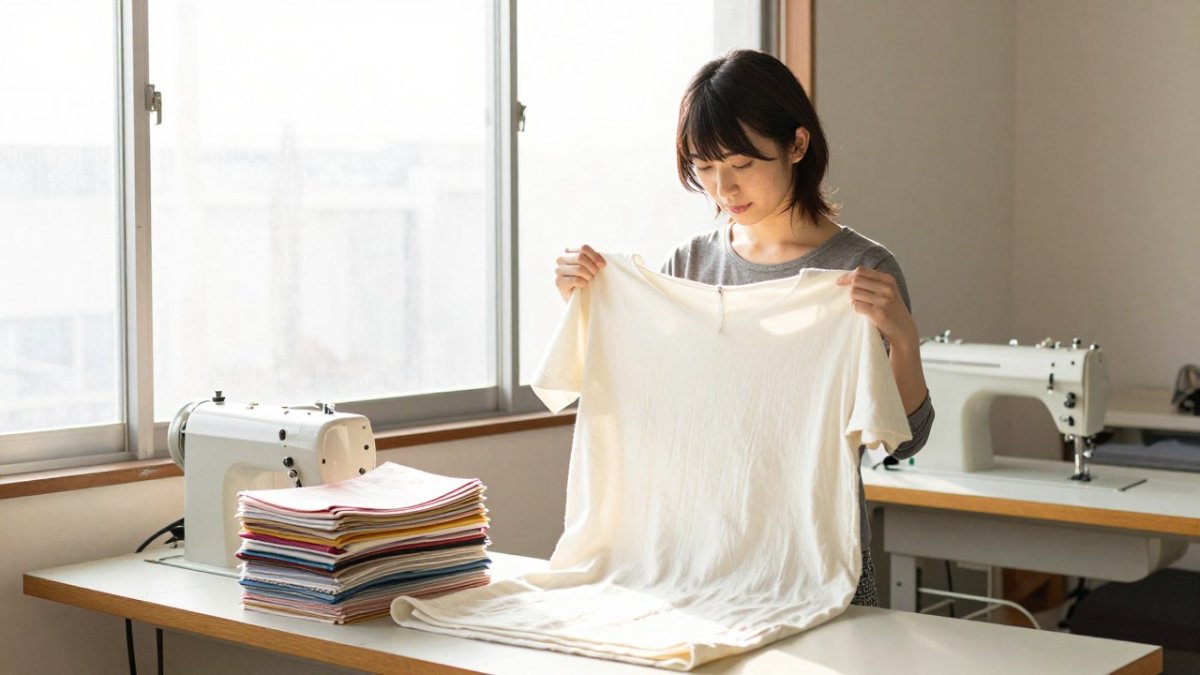
The best DTF transfer in the world will crack on the wrong fabric. Cotton handles DTF well. Blends are fine. High-stretch knits and performance fabrics are where trouble starts, because the garment moves more than the cured ink can.
Match your film to the garment:
Fabric Type | Stretch Level | DTF Risk | What to Do |
100% cotton | Low | Low | Standard settings work |
Cotton/poly blend | Low-medium | Low | Standard settings work |
Tri-blend | Medium | Medium | Slight over-cure, test first |
Spandex/performance | High | High | Use stretch film, lower temp |
Ribbed knits | High | High | Test stretch before a full run |
Film quality matters just as much. Cheap film and mismatched powder cause weak adhesion and early cracking. Stick with a film and powder combo that the maker rates for your fabric. Don't mix brands and hope.
How Fabric Composition and Knit Structure Change the Rules
Most cracking advice stops at "cotton good, spandex bad." The real variable is how the fabric moves under the cured ink, and that depends on fiber, knit, and construction together.
Fiber content sets the baseline.
Knit structure matters as much as fiber. A jersey knit stretches mainly in one direction.
Garment construction adds hidden variables. A garment with a tight fit or a high-recovery waistband puts more strain on a print than a relaxed fit in the same fabric.
Matching Film and Settings to the Substrate
For low-stretch cotton and cotton blends, standard film and standard settings usually hold. For medium-stretch tri-blends, test first and consider a slight over-cure to fully melt the powder, but stop short of the glossy, brittle stage. For high-stretch spandex, performance fabrics, and ribbed knits, use a film the maker rates for stretch, lower the temperature to protect the fiber, and extend dwell slightly to compensate. Always stretch-test the cured print on the actual garment before a full run, because a fabric that passes on a scrap square can still crack on a fitted garment.
Key Takeaway Fabric compatibility isn't a single setting, it's fiber, knit, and construction together. When a print cracks only on certain garments, the fix is usually the film-to-fabric match, not the press temperature.
DTF Prints Cracking After Stretching: Stretch, Recovery, and Overstretching
DTF prints cracking after stretching is the most common complaint we hear. The cause is simple: cured ink has limited stretch, and fabric that gets overstretched pulls the print past its limit.
Two things drive this. First, fabric stretch. A high-stretch knit moves more than the ink can follow. Second, overstretching during wear or application.
What helps:
Choose a film rated for stretch on stretchy garments
Don't overstretch the shirt when you press it
Size the design so it doesn't sit across the highest-stretch zone
Let the garment cool flat before folding
If a print already cracked from stretching, you can't un-crack it. You can stop it getting worse by correcting the fabric and film match on the next run.
How to Wash DTF-Printed Shirts Without Cracking Them
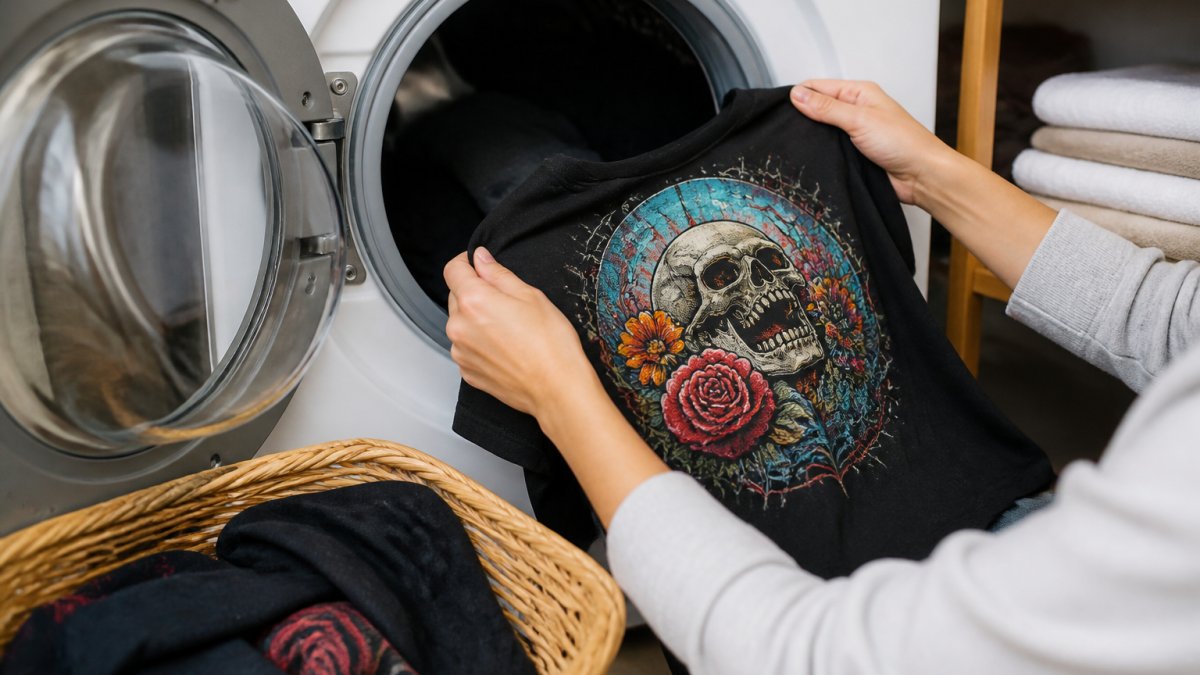
Wash DTF-printed shirts inside out in cold water on a gentle cycle, then tumble dry low or hang dry. Skip fabric softener, avoid direct ironing on the print, and never dry clean a DTF garment. Heat and agitation are what crack a print over time.
A simple care routine is the easiest answer to how to prevent DTF prints from cracking:
Turn inside out before washing
Cold water, gentle cycle every time
Mild detergent, no bleach, no softener
Tumble dry low or hang dry
No direct ironing on the print
No dry cleaning
Watch Out Washing a DTF shirt in hot water and drying it on high is the fastest way to crack a good print. The heat softens the bond and the tumbling pulls the ink apart. One hot cycle can undo a perfect press.
A wash test tells you the truth. Print a sample, wash it five times the way a customer would, and check for cracking. If it fails, your settings need work before you sell a single shirt.
How to Make DTF Prints Last Longer: Testing, Records, and Repair vs. Replace
To make DTF prints last longer, control the variables: cure fully, match film to fabric, press evenly, and record every setting. Then test a sample from each batch before it ships.
Controlled testing beats guesswork. Here's how we'd run it:
Print one test shirt per new film or powder batch
Record temperature, time, and pressure
Stretch-test the cured print
Wash-test five cycles
Note the fabric type and result
Keep the log with the batch number
Now the hard call: repair or replace? A small edge lift can sometimes be re-pressed. A cracked print across the chest cannot be saved, and re-pressing makes it worse.
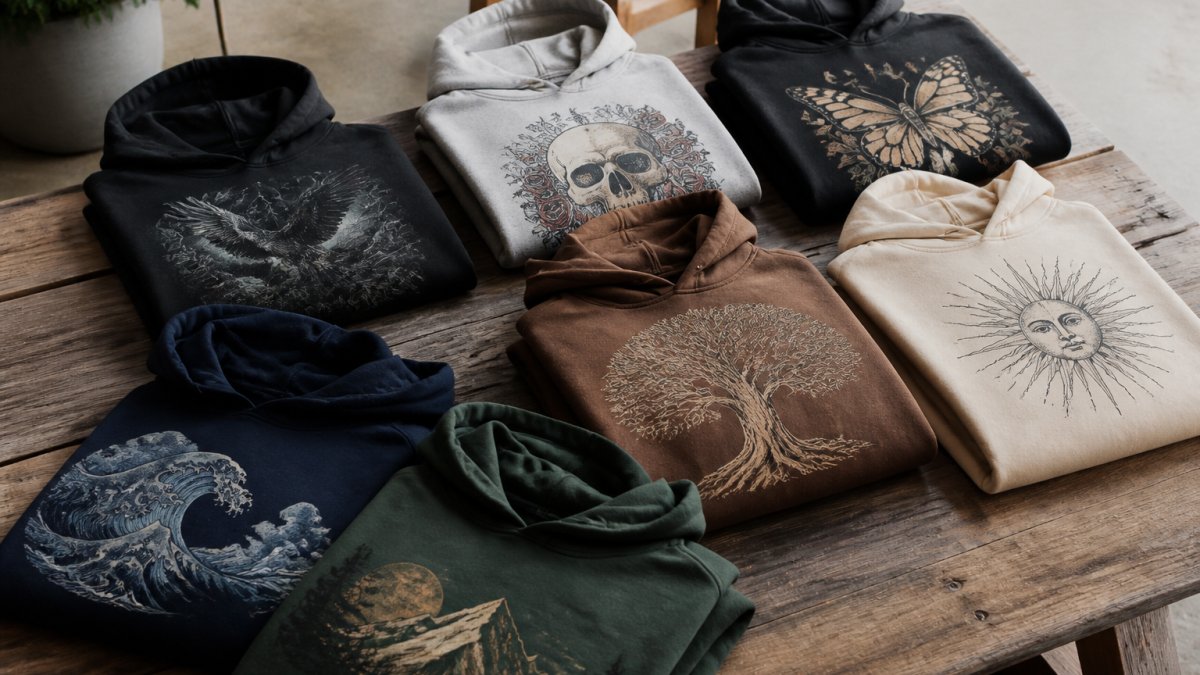
That discipline is what separates apparel that lasts from apparel that cracks in a month. It's also why we're picky about the DTF tees and hoodies we offer at AfterLife Print Co.
Frequently Asked Questions
Why are my DTF prints cracking after washing?
Most DTF prints cracking after washing trace back to incomplete curing or adhesive powder that never fully melted into the fabric. If the powder layer is under-cured, the film sits on top of the garment instead of bonding to it, and the first wash flexes it until it splits. Wash temperature also matters: hot water and tumble drying on high heat stress the bond. Check your cure first, then switch to cold water and low heat drying. If the print still cracks, the transfer may have been pressed at too low a temperature or with too little pressure.
Can stretching cause a DTF print to crack?
Yes. DTF prints cracking after stretching is common on high-stretch fabrics like spandex blends and on garments pulled hard when donned or washed. The cured ink and adhesive layer has limited elasticity, so repeated overstretching fatigues it until small splits appear. Choose a transfer film rated for stretch on performance wear, keep the print away from the highest-flex areas, and pull garments on gently. On cotton and cotton-poly blends, normal wear rarely causes cracking on its own if the transfer was cured correctly.
What temperature and pressing time help prevent DTF transfers from cracking?
Most DTF transfer temperature and pressing time guidance lands around 300-320°F for 10-15 seconds during the transfer press, followed by a separate powder cure. Exact numbers depend on your film, powder, and press, so always run a test shirt first. Pressure should be firm and even, and you should peel according to your film's instructions, hot or cold. Log the temperature, time, and pressure for every batch so you can repeat what works and isolate what fails.
Can a cracked DTF print be repaired?
Small cracks are sometimes salvageable with a light re-press using a heat press and a protective sheet, which can re-melt the adhesive and close minor splits. Larger cracks, flaking edges, or prints that have already lifted from the fabric usually cannot be repaired and should be replaced. For a shop, track how often repairs succeed versus replacements so you know when to stop patching. For personal garments, a re-press is worth one try before retiring the shirt.
Cracking DTF prints is a settings and materials problem, not bad luck. Get the cure right, match film to fabric, press evenly, and log every batch. That's how you ship graphic apparel that survives real wear. If you'd rather skip the trial and error, shop the AfterLife Print Co. collection for DTF graphic tees, hoodies, and totes built to hold their print wash after wash.
Comments